Why Webb sees the things Hubble never could
The James Webb Space Telescope is not simply a bigger Hubble. It works in a different kind of light — and that is why it can look straight through the dust that hides star formation.
Machine learning breakthroughs, neural networks and the argument about what comes next.
2 stories AstronomyTelescopes, missions and everything above the atmosphere.
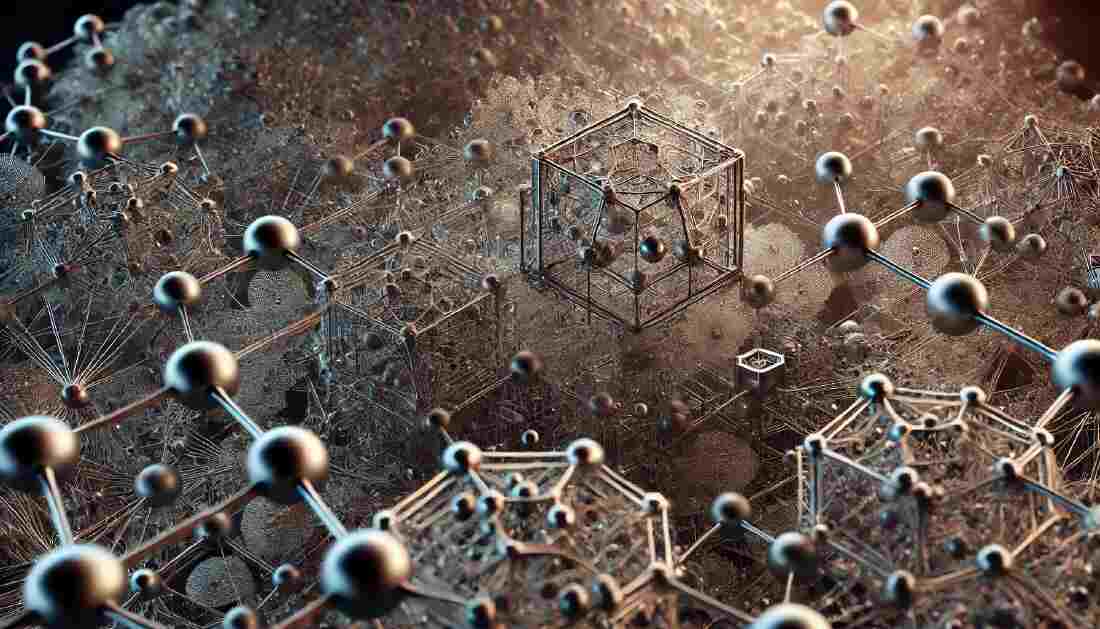
2 stories PhysicsParticles, fields and the rules underneath everything.
2 stories HealthMedicine, trials and the biology of staying alive.
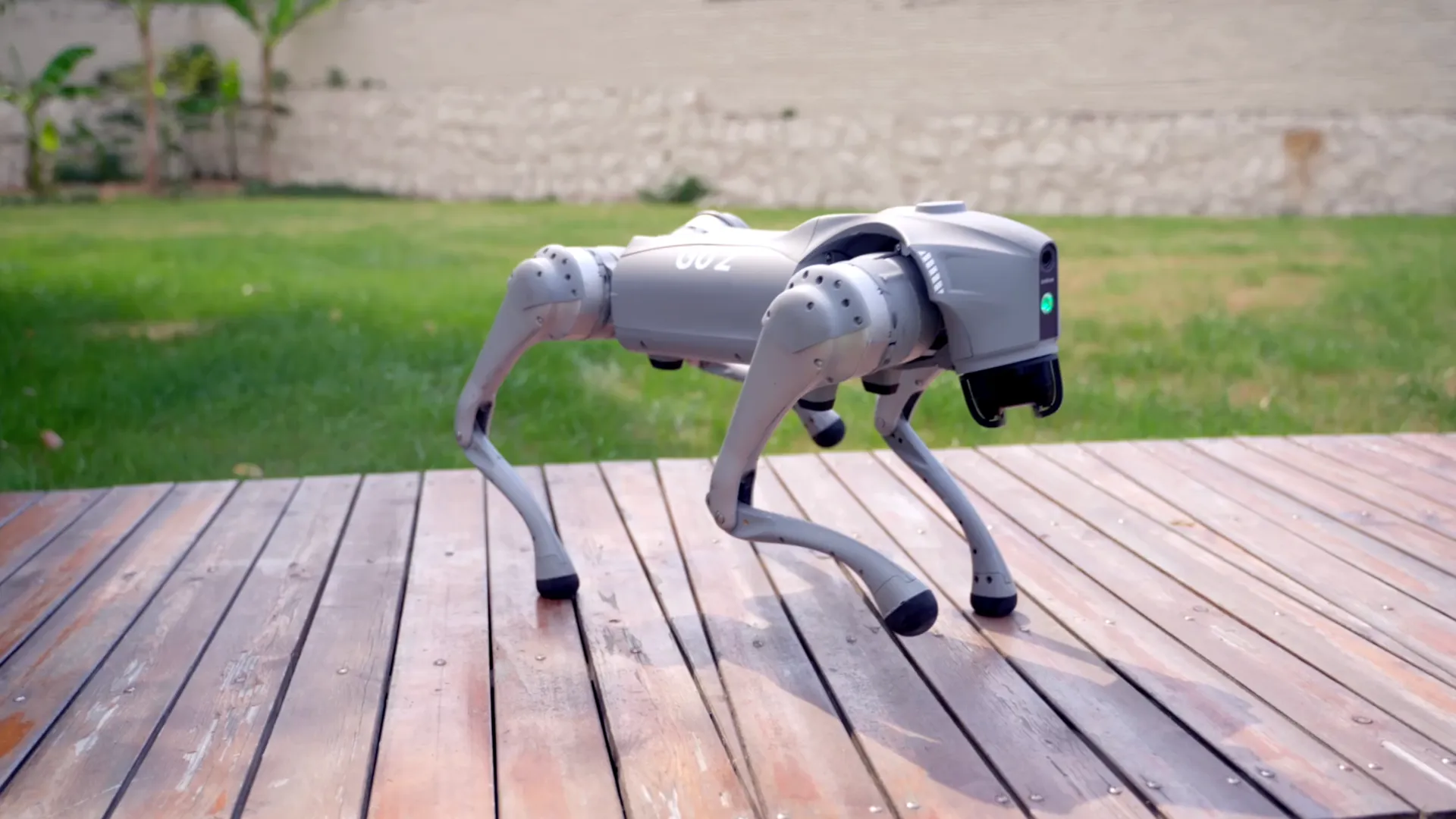
2 stories RoboticMachines that move, grip, walk and work alongside us.
0 stories DiscoveriesFindings that changed what we thought we knew.
0 stories TechnologyThe engineering that turns research into things people use.
0 stories Science NotesShorter pieces: context, explainers and the occasional correction.
0 stories12 in the archive
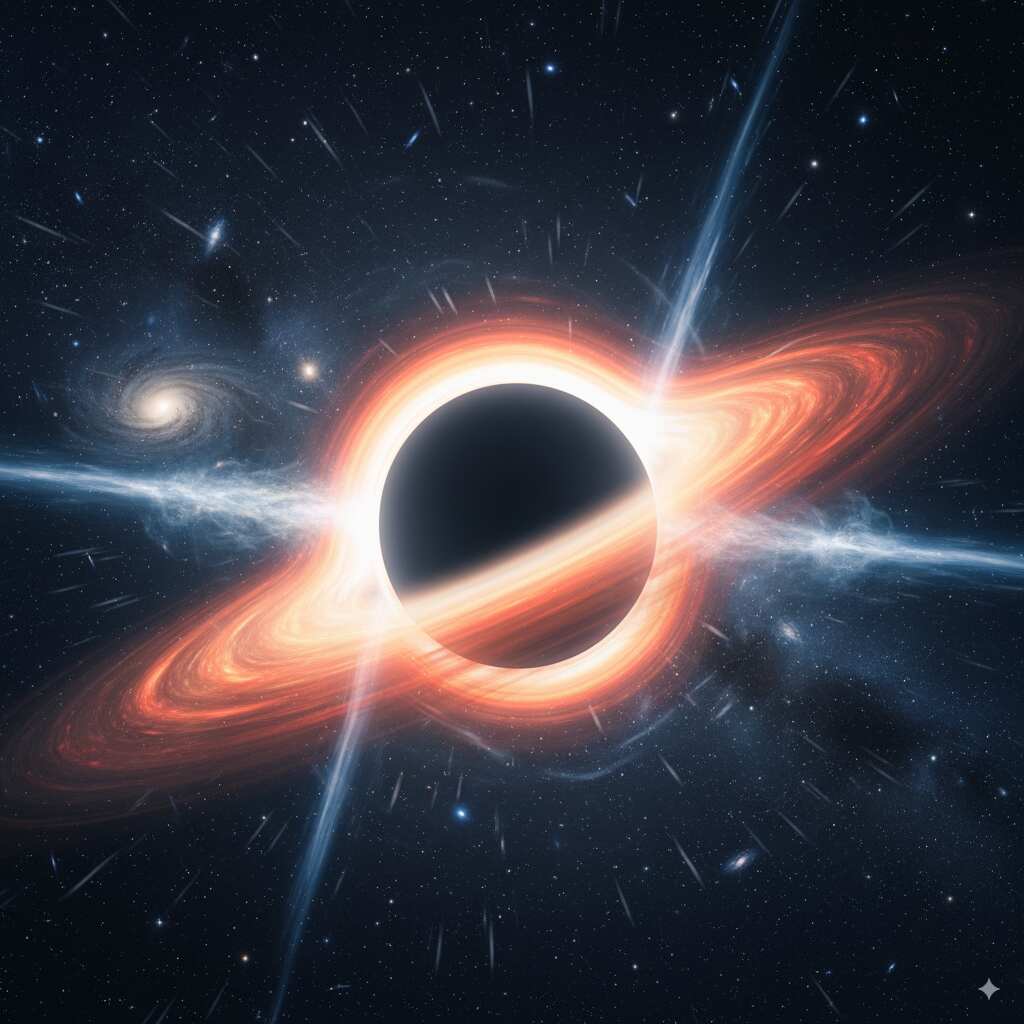
Two black holes collide, spacetime ripples outward, and by the time it reaches Earth the effect is almost unmeasurably small…
A model that invents a citation is not malfunctioning. It is doing exactly what it was trained to do, which…
Resistance does not only pass from parent to offspring. Bacteria hand the genes to each other directly — including across…
Zero resistance is the famous property. The one that makes magnets float is different, and it is what proves a…
New stories in your inbox. Every one timed, so you know what you are getting into.